

How to Protect Your Skin Year-Round in Arizona
Arizona’s breathtaking landscapes, sun-drenched skies, and outdoor lifestyle draw countless residents and visitors year-round. Yet, the same features that make the region so appealing are also relentlessly tough on your skin. Intense sunshine, persistent dry air, and high temperatures combine to accelerate skin aging, trigger persistent dryness, and increase your risk of sun damage not just in summer, but every month of the year. Whether you’re walking the dog on a winter morning, hiking in spring, or enjoying patio season in the fall, your skin faces some of the harshest environmental stressors in the country.
This article breaks down how to protect your skin in Arizona across every season. From practical daily habits to professional treatments that address cumulative damage, these Arizona skin care tips are designed to keep your complexion healthy, resilient, and radiant for the long term.
Why Arizona Is Tough on Your Skin
Arizona’s environment is uniquely harsh on the skin, presenting challenges that go far beyond what many people expect. Skin health is put to the test because of:
- Year-round UV Exposure: Arizona receives some of the highest levels of ultraviolet (UV) radiation in the United States. The sun’s rays are strong even during winter and on overcast days. High UV means your skin is constantly at risk for UV damage, which can occur even when you do not feel the sun’s intensity.
- Photoaging: Chronic UV exposure leads to photoaging (the process by which the sun’s rays cause premature aging), with signs such as fine lines, wrinkles, uneven pigmentation, and leathery texture. This type of aging is distinct from the natural, chronological aging that happens over time.
- Collagen Loss from Sun Exposure: UV rays accelerate the breakdown of collagen and elastin. Collagen is a key protein that keeps your skin firm and youthful, while elastin allows it to stretch and return to shape. When these are depleted, sagging, lines, and wrinkles form more quickly.
- Dehydration and Dry Climate: Arizona’s dry air means your skin loses moisture more quickly. Even oily skin types often become dehydrated (lacking water, not oil) in this climate, resulting in tightness, flakiness, or increased sensitivity. Prolonged dehydration weakens the skin barrier, making it more vulnerable to irritation and environmental stressors.
- Wind and Heat: Frequent wind strips away moisture, while high temperatures increase sweat and water loss. Together, these factors can leave the skin feeling parched and irritated.
- Increased Pigmentation: UV exposure in Arizona can trigger and worsen hyperpigmentation, including brown spots, melasma, and uneven skin tone. Even short, daily walks or errands add up over time, increasing visible sun damage.
- Accelerated Wrinkle Formation: The combination of sun exposure, dryness, and accelerated collagen breakdown means wrinkles and fine lines can appear earlier and more prominently compared to milder climates.
Cloudy or cooler days still carry significant UV risk. Many residents skip sunscreen during these times, underestimating the invisible impact on their skin. In reality, consistent sun protection and hydration are essential every month of the year for anyone who wants to prevent premature aging and maintain skin health.
Build an Arizona Skin Care Routine That Protects Your Skin Every Day
The foundation of healthy skin in Arizona starts with daily prevention. An effective Arizona skin care routine aims to minimize UV damage, preserve hydration, and support the skin’s barrier function, regardless of your skin type or the season.
Wear Broad-Spectrum SPF Every Morning
Daily sun protection is the single most important step for anyone living in Arizona. Apply a broad-spectrum sunscreen with SPF 30 or higher every morning, even if you will be indoors most of the day. UVA rays penetrate windows and contribute to collagen breakdown and pigmentation.
- Reapplication is essential: Sunscreen should be reapplied every two hours when outdoors, especially if you are sweating or swimming.
- Mineral vs. Chemical Sunscreen: Both offer effective protection; mineral (physical) sunscreens sit on top of the skin and reflect UV rays, while chemical sunscreens absorb UV and convert it into heat. Choose the one that fits your skin type and preferences.
- Don’t forget vulnerable areas: Extend application to your neck, chest, ears, and the backs of your hands, as these areas are often exposed and quick to show signs of aging.
Add Antioxidants Like Vitamin C
Antioxidants are powerful ingredients that help neutralize free radicals generated by UV exposure and pollution. Vitamin C serums are especially popular in Arizona skin care routines, as they brighten the complexion while enhancing the effectiveness of sunscreen.
- Benefits: Regular use can support a more even skin tone, reduce visible pigmentation, and support collagen synthesis.
- Layering: Apply antioxidants in the morning before sunscreen for optimal protection against environmental stressors.
Use Retinoids to Support Healthy Skin Renewal
Retinoids, including retinol and prescription retinoic acid, are gold-standard ingredients for supporting collagen production, improving texture, and minimizing fine lines and pigmentation. They work by accelerating cell turnover and prompting the skin to renew itself more efficiently.
- Collagen support: Retinoids can help counteract collagen loss from sun exposure, making them a valuable tool for Arizona residents.
- Gradual introduction: Start slowly, applying a pea-sized amount two to three nights a week, then increase as tolerated to reduce irritation.
- Benefits: Over time, you may notice smoother skin, improved tone, and reduced appearance of sun-induced brown spots.
Don’t Forget Moisturizer
Arizona’s climate often leads to dehydrated skin, even if you have an oily or combination skin type. It’s important to distinguish dehydrated skin (lacking water) from dry skin (lacking oil). Both conditions can occur in the desert, but dehydration is particularly common due to high evaporation rates.
- Look for ceramides and hyaluronic acid: Ceramides help repair and reinforce the skin barrier, while hyaluronic acid draws water into the skin and helps maintain hydration.
- Barrier repair: A healthy skin barrier protects against environmental aggressors and reduces sensitivity. If your skin feels tight, dull, or flaky, you may benefit from a richer moisturizer or layering a hydrating serum underneath.
Be on the lookout for signs your skin barrier may be compromised, so that you can stay on top of your skincare.
Professional Treatments Can Help Maintain Healthy Skin
Even the best home routine cannot completely undo years of UV exposure in Arizona. Professional treatments can help maintain skin health, address visible signs of sun damage, and support your efforts to prevent premature aging.
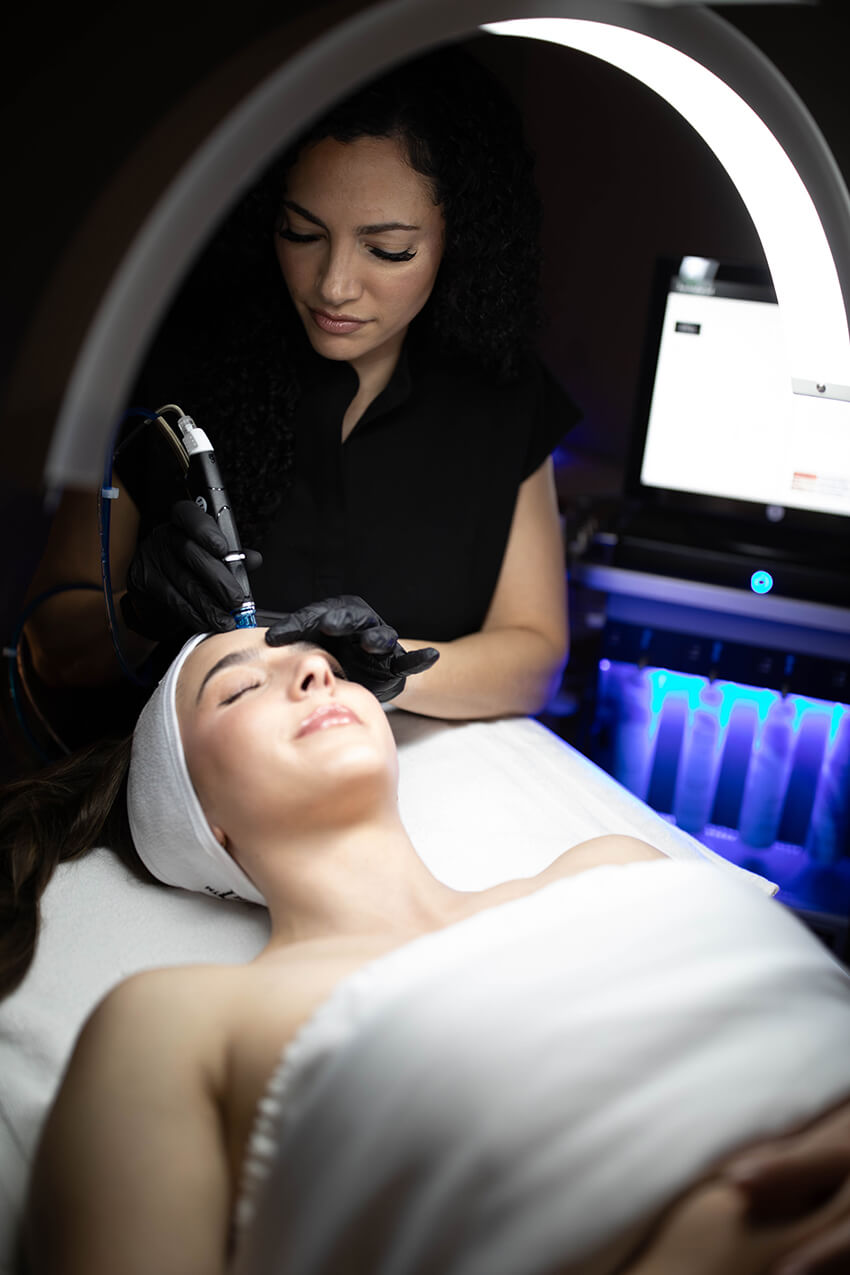
HydraFacial Helps Combat Arizona Dehydration
HydraFacial is a non-invasive treatment that deeply cleanses, exfoliates, and infuses skin with hydrating serums. For Arizona residents, this can be an effective way to restore moisture, unclog pores (especially from frequent sunscreen use), and support overall skin health.
- Hydration: Replenishes water lost to the dry climate.
- Cleansing: Removes buildup and keeps pores clear (especially important when layering sunscreen and sweat).
- Maintenance: Regular HydraFacials can help keep skin balanced and vibrant.
How often you should get a HydraFacial depends on your skin type and goals, but many people benefit from treatments every 4 to 6 weeks.
Chemical Peels Refresh Sun-Damaged Skin
Chemical peels use carefully selected acids to exfoliate dead skin cells, revealing brighter, smoother skin underneath. In Arizona, peels can be customized to address dullness, rough texture, and stubborn pigmentation caused by sun exposure.
- Hyperpigmentation treatment: Chemical peels may lighten brown spots and melasma, even out tone, and give your complexion a refreshed appearance.
- Post-summer refresh: Many clients benefit from peels after the summer season to address accumulated damage.
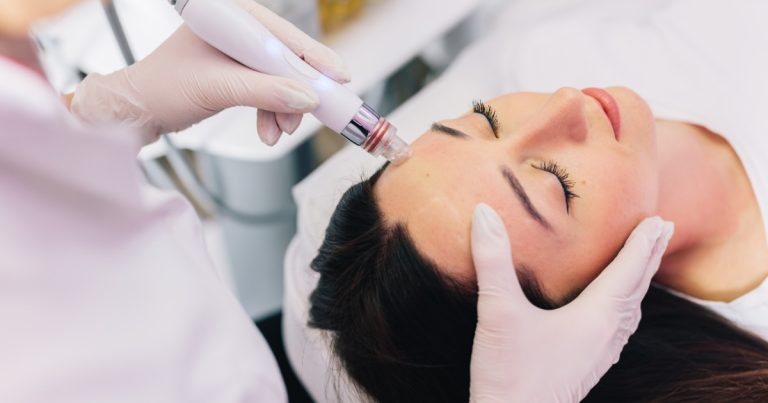
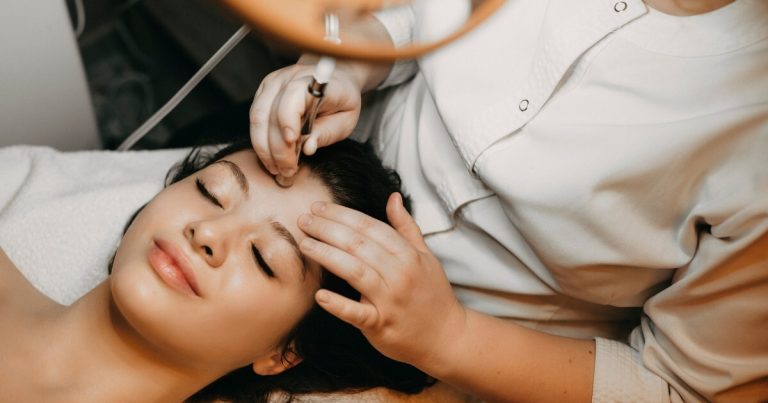
SkinPen Microneedling Supports Natural Collagen Production
Microneedling with a device such as SkinPen uses controlled micro-injuries to stimulate your skin’s own collagen and elastin production. This treatment is especially beneficial for those wanting to address:
- Collagen loss from sun exposure: Helps rebuild a firmer, smoother skin foundation.
- Fine lines from sun damage: Reduces the appearance of wrinkles and softens texture.
- Texture improvement: May improve the look of enlarged pores and overall skin quality.
Laser Skin Rejuvenation Can Improve Visible Sun Damage
Lasers are some of the most effective tools for addressing accumulated sun damage, uneven pigmentation, and visible signs of aging. Laser skin rejuvenation treatments can target brown spots, redness, and overall skin quality, helping your complexion look clearer and more even.
- Sun-damaged skin treatment: Lasers can address brown spots, sun-induced redness, and persistent hyperpigmentation.
- Encourages healthy renewal: By triggering the body’s healing response, laser treatments support the development of fresher, smoother skin.
Sun Exposure Doesn’t Only Cause Spots. It Also Accelerates Wrinkles
While brown spots and uneven pigmentation are common concerns in Arizona, UV exposure has a deeper impact. Repeated sun exposure speeds the breakdown of collagen and elastin, essential proteins for youthful skin. As these structures weaken, wrinkles and fine lines form more quickly and become more pronounced over time.
- Collagen loss: UV rays break down collagen fibers, leading to sagging, thinning, and loss of firmness.
- Elastin degradation: Loss of elastin reduces the skin’s ability to bounce back, contributing to deeper folds and lines.
- Wrinkle formation: The result is earlier onset and more significant wrinkles, especially in areas frequently exposed to the sun, such as around the eyes, mouth, and forehead.
Quality skincare can help address skin texture and tone, but professional wrinkle treatments are often needed to correct movement-related lines and restore lost volume.
Beyond Sunspots: Addressing Wrinkles and Volume Loss
Sunspots aren’t the only visible signs of living in Arizona. Years of UV exposure, combined with the state’s dry climate, can accelerate collagen breakdown, contributing to fine lines, wrinkles, and facial volume loss. While daily SPF and medical-grade skincare are your first line of defense, aesthetic treatments can help address changes that topical products alone can’t reverse.
Botox Softens Expression Lines Before They Become More Noticeable
Even if you’re diligent about sun protection, repeated facial expressions and collagen loss can make forehead lines, crow’s feet, and frown lines appear more pronounced over time. Botox temporarily relaxes the muscles responsible for these dynamic wrinkles, helping skin look smoother while preventing lines from becoming more deeply etched.
- Reduces expression lines: Softens crow’s feet, forehead lines, and frown lines caused by repeated facial movements.
- Helps prevent deeper wrinkles: Limiting muscle movement can slow the progression of dynamic lines over time.
- Complements other treatments: Botox pairs well with resurfacing procedures and a consistent skincare routine for a more comprehensive anti-aging approach.
If you’re considering treatment, our First-Time Botox Guide explains what to expect, while Top 7 Signs You’re Ready for Botox can help you decide whether it’s the right time to start.
Additional Arizona Skin Care Tips
A consistent skincare routine goes a long way, but a few everyday habits can provide even more protection against Arizona’s intense sun and dry climate.
- Wear a wide-brimmed hat to protect your face, ears, and neck.
- Choose sunglasses with UV protection to help shield the delicate skin around your eyes.
- Seek shade whenever possible, especially between 10 a.m. and 4 p.m. when UV rays are strongest.
- Reapply sunscreen at least every two hours when spending time outdoors.
- Stay hydrated throughout the day to support healthy skin from the inside out.
- Use a lip balm with SPF to help prevent dry, sunburned lips.
- Apply sunscreen and moisturizer to your hands, which are often one of the first areas to show sun damage.
- Don’t forget commonly missed areas like your ears, scalp (if exposed), and the back of your neck.
- Schedule annual skin checks with a dermatologist for early detection of skin cancer.
- Perform monthly self-exams to monitor for any new or changing moles or spots.
If your current routine isn’t giving you the results you expected, our article Why Your Skincare Isn’t Working (And What to Do About It) explains some of the most common mistakes and how to get your skin back on track.
Protect Your Skin Through Every Arizona Season
Living in Arizona doesn’t mean you have to stay indoors. With daily sun protection, consistent hydration, medical-grade skincare, and professional treatments when appropriate, you can help minimize the effects of the desert climate and keep your skin looking healthy year-round.
Whether you’re concerned about sun damage, uneven pigmentation, dehydration, or early signs of aging, the team at SkinWay MedSpa can help you build a personalized plan that fits your skin and your lifestyle. From preventive skincare recommendations to advanced rejuvenation treatments, we’ll help you choose the right approach to protect and restore your skin.
If you’re ready to create a customized skincare plan for Arizona’s unique climate, schedule a consultation with SkinWay MedSpa in Gilbert today.